Social Forestry
Social forestry is one of the forest resource management strategies that places communities as the main actors in maintaining, utilizing, and developing forest areas in a sustainable manner. Through the provision of legitimate governance access to the community, social forestry is expected to create a balance between environmental conservation, improving economic welfare, and strengthening local institutions. This approach not only focuses on the utilization of forest products, but also encourages the birth of innovation, collaboration, and inclusive governance in maintaining the sustainability of forest ecosystems for future generations.
Social Forestry Policy and governance
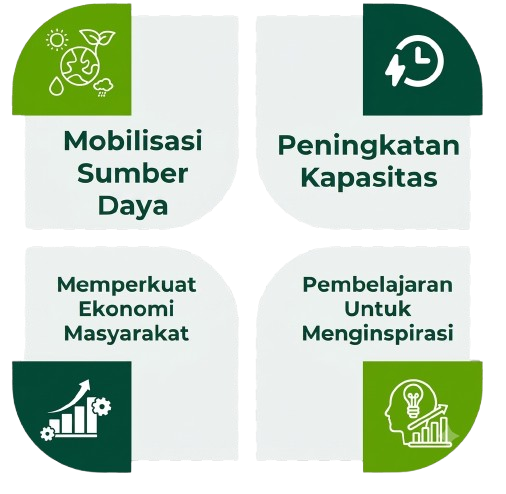
The development of social forestry in Indonesia is supported by various policies that provide space for communities to manage forest areas legally and responsibly. An understanding of regulations, licensing mechanisms, rights and obligations of governance access holders, as well as the roles of various stakeholders are important foundations in the implementation of social forestry. This knowledge Area provides information on national policies, institutional governance, and practices that support transparent and sustainable forest management.
Strengthening community groups and institutions
The success of social forestry is highly dependent on the capacity of community groups in managing their resources. Therefore, institutional strengthening is an important aspect to improve participation, leadership, organizational governance, and collective decision-making capabilities. Various materials related to group formation, organizational development, financial governance, and partnership building strategies can be a reference for social forestry management groups.
Business Development and Community Economic Improvement
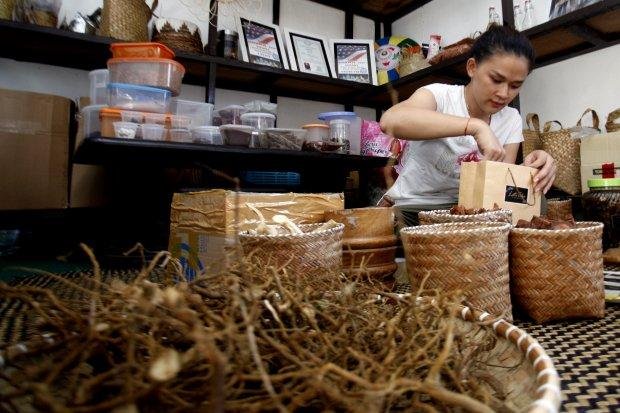
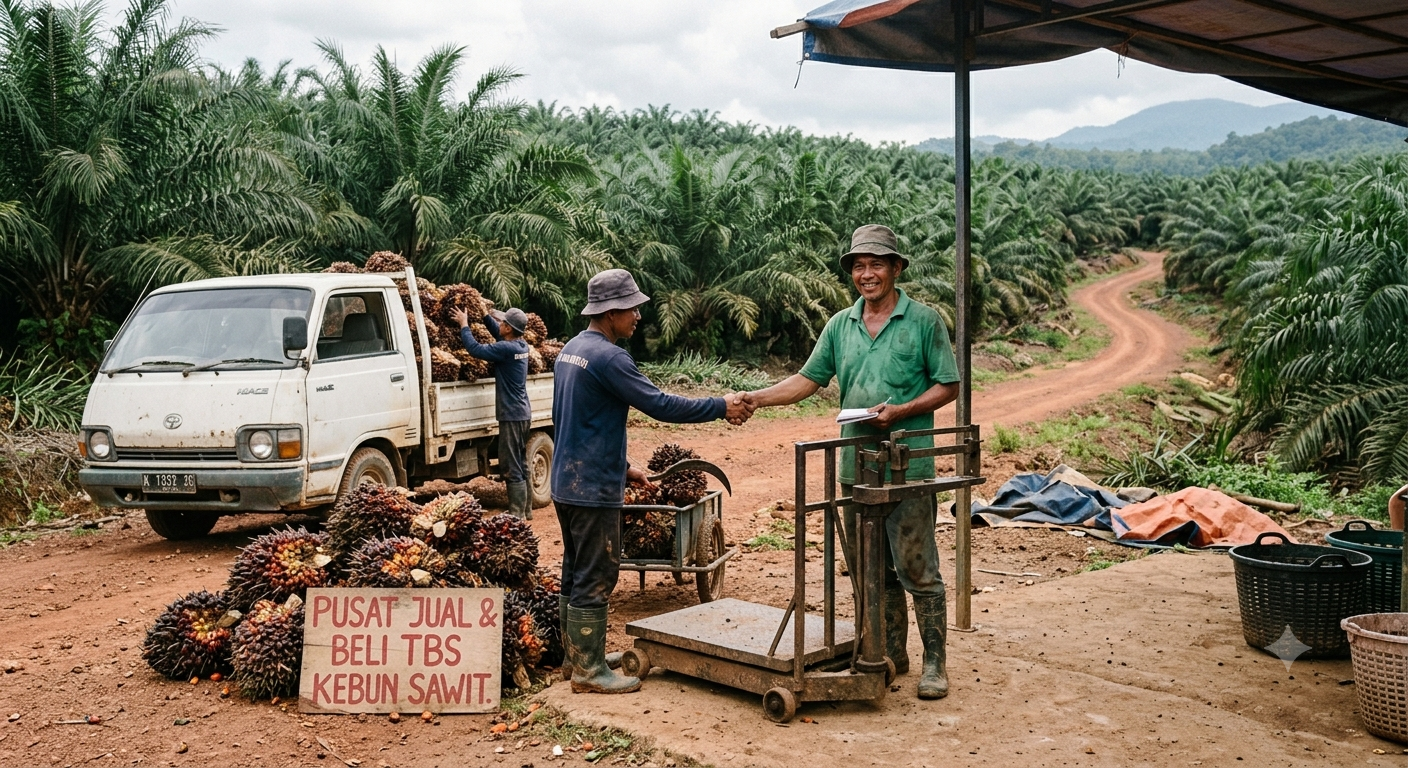
Social forestry opens up opportunities for communities to develop various businesses based on forest resources in a sustainable manner. Starting from the utilization of non-timber forest products, agroforestry, processing of local products, to the development of ecotourism, all of these activities can be a source of income that supports the welfare of the community. This Area presents a variety of knowledge on Value Chain Development, Product Marketing, Social Entrepreneurship, access to financing, and business innovation that can increase the added value of forest products.
Conservation and Sustainable Environmental Management
In addition to providing economic benefits, Social Forestry also plays an important role in maintaining the ecological function of forest areas. Good management practices can support biodiversity conservation, watershed protection, climate change mitigation, and restoration of Degraded Ecosystems. Various publications and studies on conservation, land rehabilitation, landscape management, and monitoring of environmental conditions are available to support sustainable forest management.
Innovation, Learning and good practice
Various experiences and good practices from social forestry groups in various regions can be a source of inspiration in developing more effective forest management. This Area contains Case Studies, Research Results, program documentation, technological innovations, and lessons learned from various initiatives that have succeeded in improving community welfare while preserving forests. By sharing knowledge and experience, it is hoped that more parties will be able to adopt and develop social forestry practices that have a positive impact on the environment and society.